CRM 101 for Trade Businesses: What It Actually Does (And Why a Spreadsheet Isn't One)
Most trade businesses track leads in a spreadsheet — until growth outpaces it. Here's what a real CRM actually does, where spreadsheets quietly fail, and what to look for if you're evaluating one.
Ask most trade business owners how they track leads, and you'll get some version of the same answer: a spreadsheet, or a notebook by the phone. It works — until it doesn't. And the moment it stops working is usually the moment a real job quietly slips through the cracks because nobody followed up.
What "CRM" Actually Means (Not Just a Fancy Contact List)
CRM stands for Customer Relationship Management, and the name undersells what it actually does. It's not just a place to store names and phone numbers — it's a system that tracks every interaction with a lead or customer, from the moment they first reach out through the job getting booked, completed, and followed up on afterward. Done right, it's the memory of your business: nothing depends on one person remembering to check a notepad.
The Spreadsheet Problem — Where It Breaks Down
A spreadsheet feels like it's working right up until the business grows past what one person can hold in their head. The cracks show up in predictable places:
- Nothing happens automatically — every follow-up depends on someone remembering to send it.
- It's only accurate the moment someone last updated it, which is rarely "right now."
- There's no shared view — if the person who owns the spreadsheet is out, nobody else knows where things stand.
- It doesn't communicate. A spreadsheet can't text a lead back or remind them about tomorrow's appointment.
None of this is a discipline problem. It's a tooling problem — a spreadsheet was never built to run follow-up, it was built to hold numbers.
What a Real CRM Does That a Spreadsheet Can't
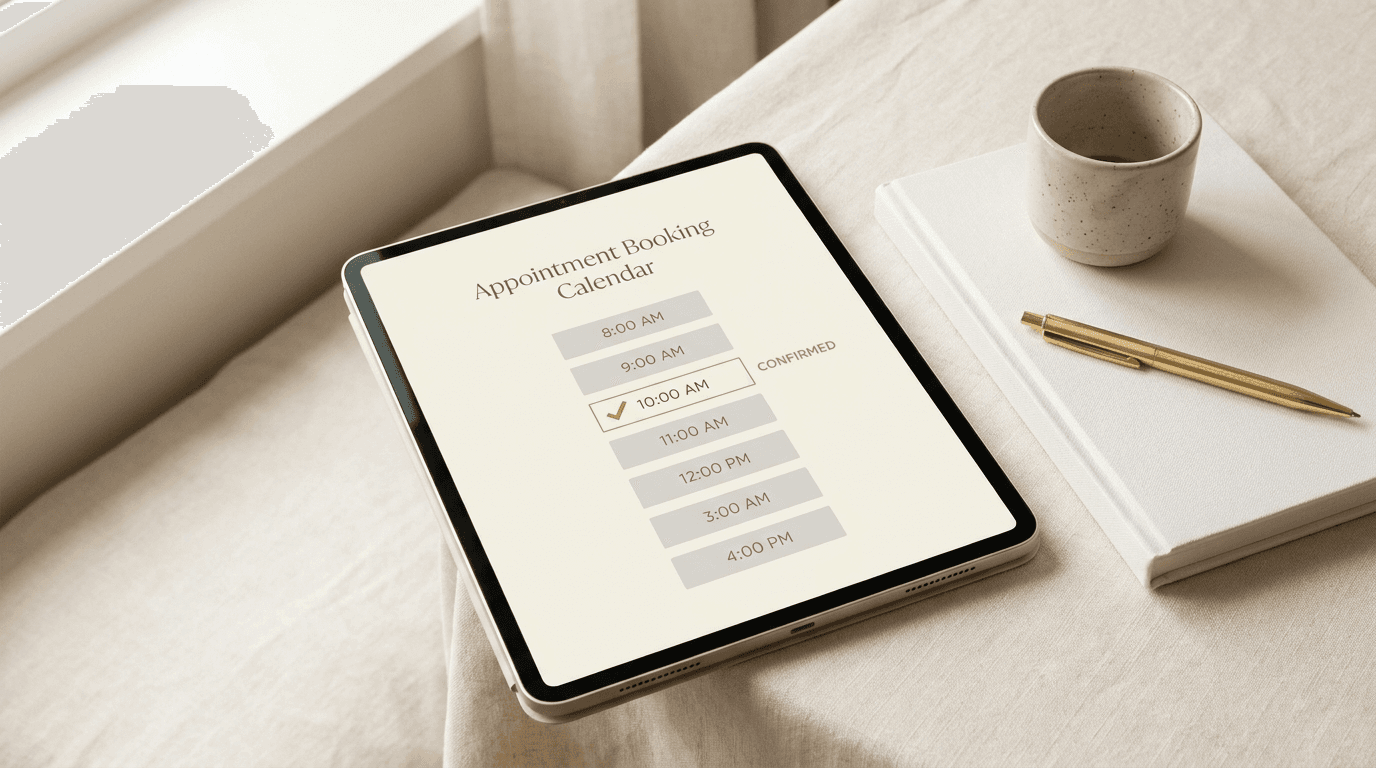
A proper CRM closes exactly those gaps. It sends automatic follow-up by text and email without anyone lifting a finger. It gives your whole team the same live view of every lead, so nothing depends on one person's memory. It reminds customers about appointments before they forget. And it logs every call, text, and email in one place, so anyone on your team can pick up a conversation without asking "did we already reach out to this one?"
Pipelines: Seeing Exactly Where Every Job Stands
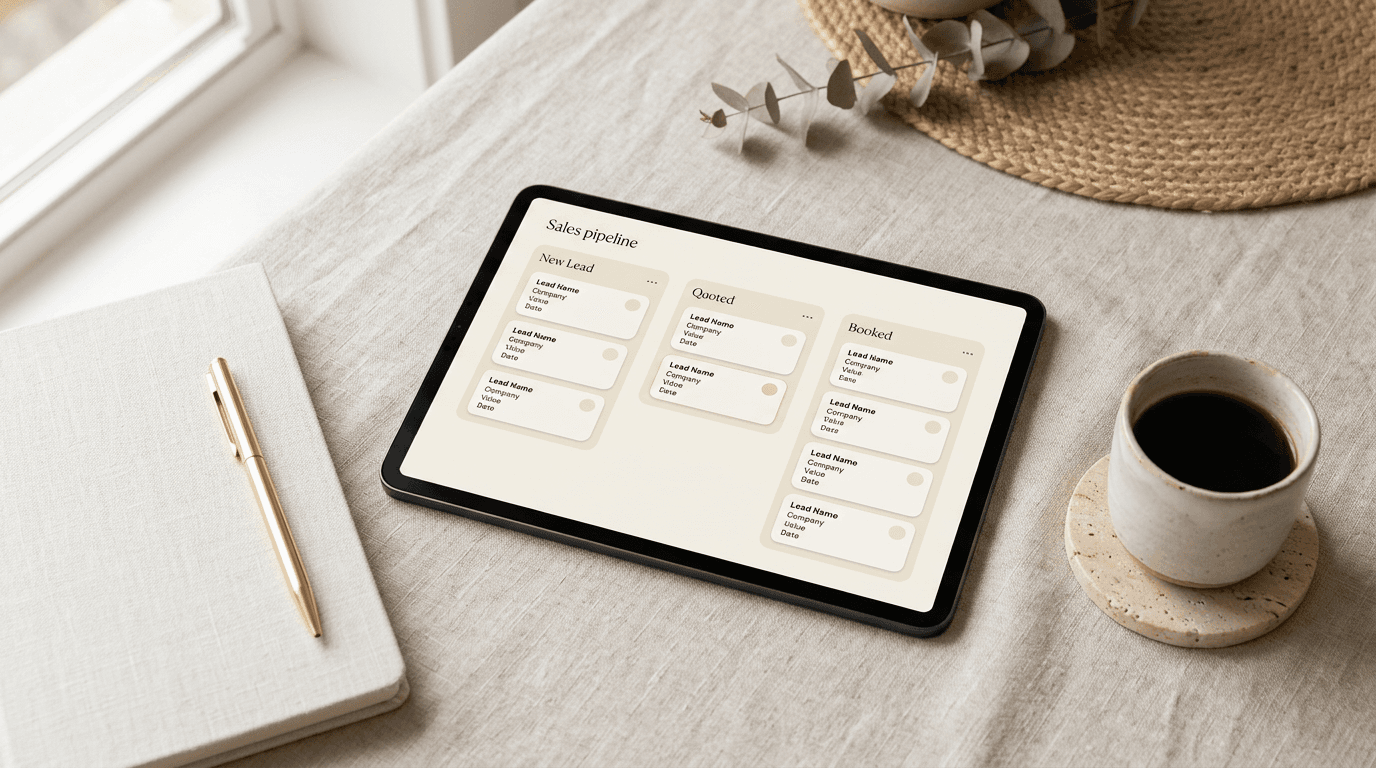
The core idea behind most CRMs is the pipeline — a simple, visual way of seeing where every lead sits in your process. New lead, contacted, quoted, booked, completed, review requested. Instead of scrolling through rows trying to remember who you talked to last week, you see it laid out: which leads are stuck, which quotes are still waiting on an answer, which jobs are ready to be scheduled.
💡 Pro Tip: The businesses that get the most value from a CRM aren't the ones with the fanciest setup — they're the ones who actually look at their pipeline daily and follow up on whatever's stuck, instead of letting leads quietly age out.
The Follow-Up Problem (And Why Automation Matters More Than You Think)
Most leads aren't ready to commit the moment they first reach out. They're comparing options, waiting to hear back from someone else, or just busy. The businesses that win these jobs aren't necessarily the cheapest or even the best — they're the ones who follow up consistently over days and weeks without it depending on a human remembering to do it.
This is exactly the piece we build into every client's CRM setup — automated text and email follow-up sequences, sales pipelines built around how the business actually works, and a dedicated business phone line so every call and text lands in one place instead of scattered across someone's personal phone.

What to Look for When You're Evaluating a CRM
Not every CRM is worth the switch from a spreadsheet. If you're evaluating one, it should give you a clear pipeline view of every lead, automated follow-up by text and email, integration with your booking or calendar so nothing double-books, and it should be simple enough that your team actually uses it daily — a powerful CRM nobody opens is worth less than a spreadsheet somebody actually updates.
📌 Key Takeaway: A CRM isn't about looking more "corporate." It's about making sure a lead who's ready to become a customer never falls through simply because nobody remembered to follow up.
For a trade business, the jobs are already out there. The businesses that win them aren't always doing better work — they're just the ones who never let a lead go quiet.